
Part Time Jobs in New Zealand For Bangladeshi Students 2026
For international students, studying abroad is not just about earning a degree—it is about managing expenses, gaining real-world experience, building a professional profile, and creating long-term settlement opportunities. Among global study destinations, New Zealand stands out for its student-friendly work policies, safe environment, and clear post-study pathways. One of the most searched and crucial topics for students is part time jobs in New Zealand, as working while studying directly impacts affordability, career growth, and future residency options.
New Zealand allows international students to work legally during their studies, helping them manage living costs while gaining valuable local work experience. More importantly, part time jobs in New Zealand often become the first stepping stone toward full-time employment, post-study work visas, and eventually Permanent Residency (PR).
Why Part Time Jobs in New Zealand Matter for International Students
Working part time is not optional for many students—it is essential. Part time jobs in New Zealand help international students:
-
Cover living expenses
-
Reduce financial pressure on families
-
Gain local work experience
-
Improve English communication skills
-
Build professional networks
-
Increase employability after graduation
New Zealand’s flexible student work rules make it one of the most attractive destinations for students who want to balance education and employment.
Legal Work Rights for International Students in New Zealand
Understanding work rights is the first step before searching for part time jobs in New Zealand.
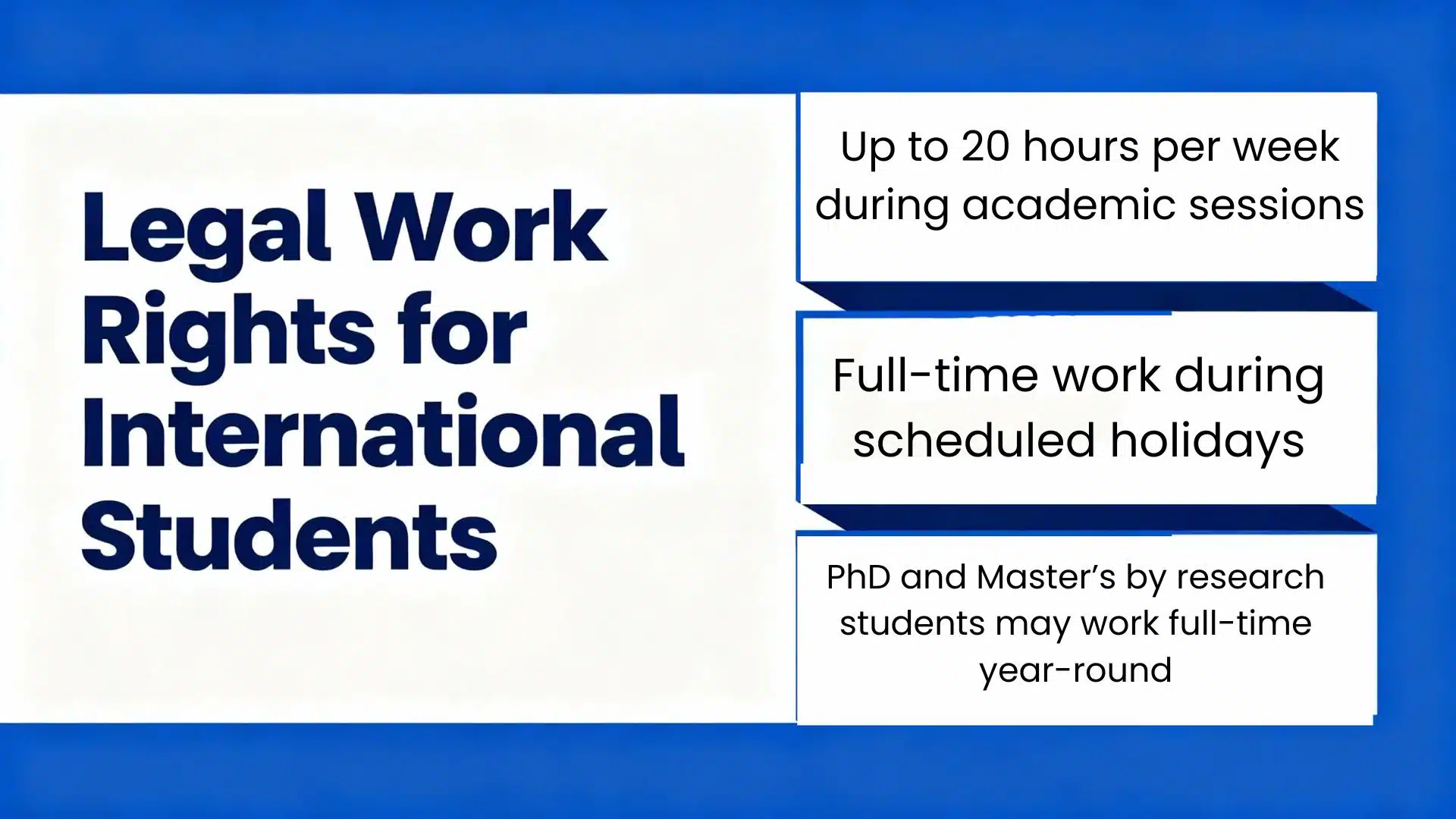
Work Hour Limits
-
Up to 20 hours per week during academic sessions
-
Full-time work during scheduled holidays
-
PhD and Master’s by research students may work full-time year-round
These generous rules allow students to earn steadily while focusing on their studies.
Most Popular Part Time Jobs in New Zealand
International students have access to a wide range of part time jobs in New Zealand, especially in urban and student-friendly cities.
Common Student Jobs
-
Retail assistant
-
Supermarket staff
-
Restaurant waiter/waitress
-
Kitchen hand
-
Café barista
-
Warehouse assistant
-
Cleaner
-
Delivery driver
-
Customer service assistant
On-Campus Jobs
-
Library assistant
-
Student support officer
-
Research assistant
-
IT lab helper
On-campus roles are especially attractive because they are flexible and aligned with study schedules.
Average Pay for Part Time Jobs in New Zealand
One major reason students prefer part time jobs in New Zealand is competitive wages.
Minimum Wage (2025)
-
NZD 23.15 per hour (approx.)
Average Student Earnings
-
NZD 20–28 per hour
-
Weekly income (20 hours): NZD 400–560
-
Monthly income: NZD 1,600–2,200
This income significantly helps manage rent, food, and transportation costs.
Living Cost in New Zealand for Students
Understanding living costs helps students plan how part time jobs in New Zealand fit into their budget.
Average Annual Living Cost
-
NZD 18,000–25,000
Monthly Expense Breakdown
| Expense | Cost (NZD) |
|---|---|
| Accommodation | 600 – 1,200 |
| Food | 300–450 |
| Transport | 120–180 |
| Utilities & Internet | 100–150 |
| Miscellaneous | 150–250 |
Part-time income often covers 50–70% of these expenses.
Tuition Fees in New Zealand for International Students
While part time jobs in New Zealand help with living costs, tuition fees require advance planning.
Average Annual Tuition Fees
-
Diploma & Certificate: NZD 16,000 – 25,000
-
Bachelor’s Degree: NZD 22,000 – 32,000
-
Master’s Degree: NZD 26,000 – 45,000
-
PhD Programs: NZD 6,500–9,000 (often domestic-rate)
Scholarships for Studying in New Zealand
Scholarships reduce financial pressure and allow students to focus more on studies and part time jobs in New Zealand.
Government Scholarships
-
New Zealand Government Scholarships
-
Manaaki New Zealand Scholarships
University Scholarships
-
International Excellence Scholarships
-
Merit-Based Tuition Discounts
Scholarship Value
-
NZD 3,000 – NZD 15,000
-
Partial or full tuition fee coverage
Best Cities for Part Time Jobs in New Zealand
Availability of part time jobs in New Zealand varies by city.
1. Auckland
-
Largest job market
-
Higher living cost but more work options
-
Retail, hospitality, logistics jobs
2. Wellington
-
Government and service-sector roles
-
Good on-campus opportunities
3. Christchurch
-
Lower living cost
-
Construction and service jobs
4. Hamilton
-
Student-focused city
-
Stable part-time job availability
5. Dunedin
-
Affordable city
-
Strong student employment ecosystem
Top Universities Supporting Student Employment
Universities often help students find part time jobs in New Zealand.
Leading Universities
-
University of Auckland
-
Auckland University of Technology (AUT)
-
University of Waikato
-
Massey University
-
Victoria University of Wellington
-
University of Canterbury
-
University of Otago
These universities offer career services, job portals, and employer connections.
What Is PR in New Zealand?
PR in New Zealand refers to Permanent Residency, which allows individuals to live and work indefinitely.
Benefits of New Zealand PR
-
Live and work permanently
-
Access healthcare and social benefits
-
Sponsor family members
-
Pathway to citizenship
For students, part time jobs in New Zealand often lead to full-time work, which supports PR eligibility.
How Part Time Jobs in New Zealand Help With PR After Study
Part-time jobs in New Zealand play a significant role in supporting PR after study by providing international students with valuable work experience that counts toward immigration requirements. While studying, students can work up to 20 hours per week during term time and full-time during holidays, allowing them to gain practical skills, understand workplace culture, and build professional networks. This local work experience not only improves employability but also strengthens eligibility for post-study work visas and eventually Permanent Residency (PR) under skilled migration pathways. Employers may also offer full-time opportunities after graduation, making the transition from study to work smoother. By strategically combining part-time work with academic performance, students can enhance both career prospects and long-term settlement opportunities in New Zealand.
While part-time work itself does not directly grant PR, it plays a vital role.
PR Connection
-
Builds New Zealand work experience
-
Improves employability after graduation
-
Helps secure post-study full-time jobs
-
Strengthens Skilled Migrant Category (SMC) profile
Students who actively work part time integrate faster into the job market.
PR Pathway After Study in New Zealand
The PR pathway after study in New Zealand is designed to help international graduates transition from student life to long-term residency. After completing a recognized degree or diploma, graduates can apply for a Post-Study Work Visa, which allows them to work full-time in New Zealand for 1 to 3 years depending on their qualification and location of study.
Gaining skilled work experience during this period is crucial, as it contributes points toward skilled migrant PR visas under New Zealand’s immigration system. Graduates with in-demand skills in sectors like healthcare, engineering, IT, and construction have higher chances of qualifying for Permanent Residency. By strategically selecting courses, gaining local work experience, and meeting the skilled migration criteria, international students can smoothly transition from study to PR in New Zealand.
Step 1: Study in New Zealand
Choose a PR-relevant qualification.
Step 2: Work While Studying
Use part time jobs in New Zealand to gain local experience.
Step 3: Post-Study Work Visa
-
Up to 3 years depending on qualification
Step 4: Skilled Employment
Secure a full-time role related to your field.
Step 5: Apply for PR
Through the Skilled Migrant Category (SMC) or Green List roles.
Best Courses Linked to Jobs & PR in New Zealand
Courses aligned with employment and PR include:
-
Information Technology
-
Data Science
-
Engineering
-
Construction Management
-
Healthcare & Nursing
-
Business Analytics
-
Supply Chain & Logistics
These fields often offer smoother transitions from part time jobs in New Zealand to full-time skilled employment.
Higher Studies and Career Growth Strategy
A well-planned higher studies and career growth strategy helps students and professionals achieve long-term academic and professional success. Pursuing higher education allows individuals to gain advanced knowledge, specialized skills, and globally recognized qualifications that improve employability. Choosing industry-relevant courses, universities with strong career support, and countries offering post-study work opportunities can significantly enhance career outcomes.
Combining studies with internships, part-time work, and networking further strengthens practical experience and professional connections. By aligning higher education choices with career goals and market demand, students can accelerate career growth, access better job opportunities, and build a stable future in a competitive global job market.Some students choose higher studies to strengthen PR eligibility.
Options
-
Diploma → Bachelor’s
-
Bachelor’s → Master’s
-
Master’s → PhD
PhD graduates enjoy the most flexible work and PR pathways.
Common Mistakes Students Make With Part-Time Jobs
-
Working beyond legal hours
-
Accepting cash-in-hand jobs
-
Ignoring study-work balance
-
Choosing non-relevant jobs after graduation
Avoiding these mistakes protects visa status and PR prospects.
Final Thoughts—
Why Part-Time Jobs in New Zealand Are a Game Changer
Part-time jobs in New Zealand are far more than a source of income—they are a gateway to independence, professional growth, and long-term settlement. With fair wages, flexible work rights, supportive universities, and strong post-study pathways, New Zealand empowers students to build both academic and professional futures simultaneously.





 WhatsApp Now!