
Best way to Get PR in Australia After Study from Bangladesh
If you’re wondering how to get PR in Australia after study, you’re not alone. Every year thousands of bangladeshi students—especially from Bangladesh—choose Australia not only for world-class education but also for the clear Permanent Residency (PR) pathways available after graduation. Australia’s high living standards, strong job market, multicultural environment, and post-study opportunities make it one of the most desirable study destinations in the world.
In this, we will explore how to get PR in Australia after study, along with study costs, the best universities, living expenses, top courses, and in-demand jobs—all explained in a professional yet engaging story-like tone.
Why Students Want PR After Studying in Australia
Imagine completing your degree on a beautiful campus, surrounded by advanced labs, supportive teachers, and global networks—then stepping into a high-paying job right in Australia. This dream is absolutely achievable because Australia offers a structured PR pathway through programs like
-
Post-Study Work (PSW) Visa
-
Skilled Independent Visa (Subclass 189)
-
Skilled Nominated Visa (Subclass 190)
-
State/Territory Sponsorship
-
Employer-Sponsored Visas
-
Temporary Skill Shortage (TSS – 482)
Understanding how to get PR in Australia after study requires knowing which courses, skills, and professions lead to PR the fastest.
Study Cost in Australia
Understanding study cost is essential before deciding how to get PR in Australia after study. Studying in Australia costs vary widely based on the course, but annual tuition fees can range from about AUD $17,000 to $50,000 for a bachelor’s degree and AUD $20,000 to $53,000 for a master’s degree. Additionally, students should budget for living expenses, which can be between AUD $1,400 and $2,500 per month, and other costs like books and transportation. Australian education maintains a high standard, and the cost varies depending on degree level:
Tuition Fees (Yearly Average)
-
Diploma/Certificate Courses: AUD 12,000–18,000
-
Bachelor’s Degrees: AUD 25,000 – 38,000
-
Master’s Degrees: AUD 28,000 – 45,000
-
MBA / Professional Degrees: AUD 35,000 – 60,000
Additional Academic Costs
-
Application fees
-
Health insurance (OSHC)
-
Resources, materials, project expenses
Investing in your education plays a major role in how to get PR in Australia after study, as higher qualifications increase your PR points.
Living Cost in Australia
The cost of living in Australia varies significantly by city, with Sydney having the highest estimated monthly expenses. A reasonable monthly budget typically ranges from AU$1,400 to over AU$4,000, depending on location, lifestyle, and whether you are an international student or a resident. Major costs include housing, transportation, food, utilities, and entertainment, with housing being a major contributor.The Australian government recommends AUD 29,710/year as the minimum living cost requirement for students.
Breakdown of Monthly Living Costs
-
Accommodation: AUD 600–1,800
-
Food & Groceries: AUD 250 – 400
-
Transport: AUD 30–60 (with concession)
-
Mobile & Internet: AUD 30–50
-
Miscellaneous: AUD 150–300
Living in cities like Adelaide, Hobart, Perth, and Brisbane can reduce expenses and still offer excellent PR prospects.
Understanding living expenses is important when planning how to get PR in Australia after study, as the city you choose affects job opportunities and PR chances.
Best Universities in Australia for PR Pathways
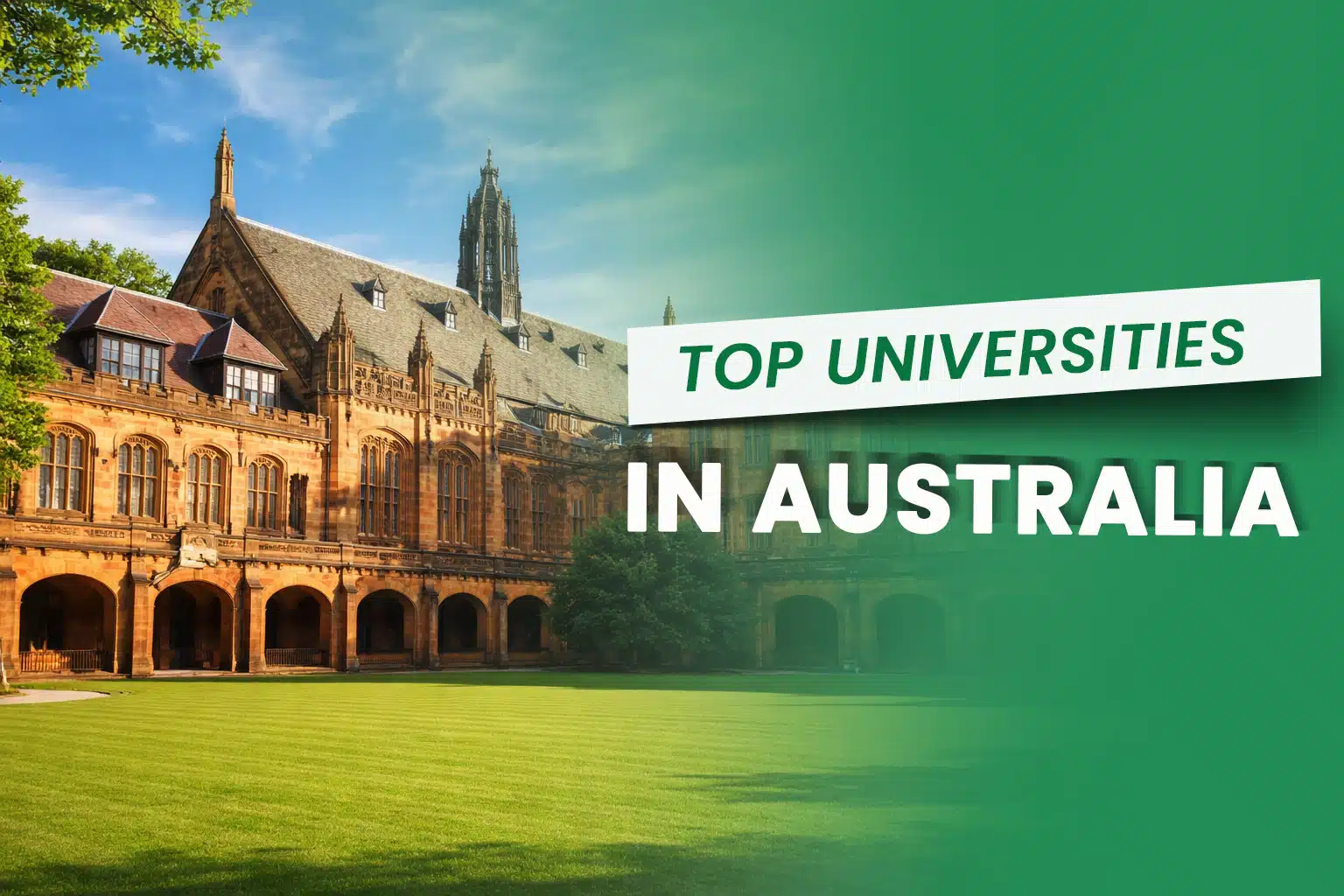
The best universities in Australia for PR pathways are the University of Melbourne, University of Sydney, and Monash University, which are known for courses in high-demand fields like IT, engineering, and nursing. Other strong contenders include the University of Queensland, University of Technology Sydney (UTS), and RMIT University, which also offer popular PR-friendly programs. When choosing, prioritize courses listed on the skilled occupation lists, particularly in fields like engineering, healthcare, IT, and education.Studying at a top-ranked university increases employability, which is essential when considering how to get PR in Australia after study.
Top Australian Universities (2025)
-
University of Melbourne
-
University of Sydney
-
Australian National University (ANU)
-
University of Queensland
-
UNSW Sydney
-
Monash University
-
University of Western Australia
-
RMIT University
-
Deakin University
-
University of Technology Sydney (UTS)
These institutions offer courses aligned with Australia’s Skilled Occupation List (SOL)—a crucial component of how to get PR in Australia after study.
Best Courses That Increase PR Chances
Choosing the right course is the most important step in the journey of how to get PR in Australia after study. Courses in high-demand fields such as nursing, information technology, engineering, and accounting increase PR chances because they are frequently listed on skilled occupation lists. Other strong options include trades and technical courses (like plumbing or carpentry), education and teaching, and allied health professions like physiotherapy. Australia prioritizes industries with skill shortages, making graduates highly employable.
Many students choose PR courses in Australia because these programs align with the country’s skilled occupation list and offer strong post-study employment prospects.
Top PR-Friendly Courses
-
Nursing & Midwifery
-
Information Technology (IT)
-
Cyber Security
-
Data Science & Analytics
-
Engineering (Civil, Mechanical, Electrical)
-
Social Work
-
Accounting & Finance
-
Teaching / Early Childhood Education
-
Construction Management
-
Health Science & Public Health
Students often secure jobs quickly after completing these programs, making them ideal choices for those wondering how to get PR in Australia after study. Healthcare, engineering, IT, and construction management are often considered permanent residency top PR courses, as they provide high employability and clear migration pathways.
Popular Jobs That Lead to PR in Australia
Popular jobs for permanent residency (PR) in Australia are concentrated in the healthcare, engineering, and IT sectors, along with specific roles in education and construction. These fields have high demand due to skill shortages and ongoing growth in the Australian economy.Wondering how to get PR in Australia after study through a job? It’s simple: target occupations that are consistently in demand.
High-Demand Occupations :
| Sector | Job Role | Average Salary (AUD/Year) |
|---|---|---|
| IT | Software Engineer | 85,000 – 130,000 |
| Healthcare | Registered Nurse | 75,000 – 110,000 |
| Engineering | Civil Engineer | 85,000–120,000 |
| Business | Accountant | 65,000 – 90,000 |
| Education | Early Childhood Teacher | 70,000–95,000 |
| Construction | Construction Project Manager | 90,000–140,000 |
| Data Science | Data Analyst | 80,000–120,000 |
Securing employment in these sectors significantly boosts your chances of getting PR in Australia after study.
How to Get PR in Australia After Study—Step-by-Step Pathway
To get Australian PR after studying, you must first complete a qualifying Australian degree, get a positive skills assessment for an occupation on the Skilled Occupation List, and pass an English language test. After meeting these requirements, you can apply for a skilled migration visa, like the Skilled Nominated Visa (subclass 190) or Skilled Independent visa (subclass 189). Alternatively, some may find a path to PR through employer-sponsored visas (subclass 186) or partner visas.
Here is the clear, complete roadmap:
Step 1: Complete a PR-Friendly Course
Choose a qualification from the Skilled Occupation List.
Step 2: Apply for PSW (Post Study Work Visa – 485)
This visa lets you stay and work in Australia for 2–6 years, depending on degree level.
Step 3: Gain Skilled Work Experience
Work in an occupation related to your course.
Step 4: Skill Assessment
Submit your qualifications to the relevant assessing body.
Step 5: Submit Expression of Interest (EOI)
Choose PR pathways such as 189, 190, or 491.
Step 6: Receive Invitation & Apply for PR
The better your English, qualifications, and job role, the higher your points.
Each of these steps is closely connected to how to get PR in Australia after study, forming a complete PR roadmap. Securing permanent residency in Australia has become a major goal for international students who want long-term stability and career growth.
A Student’s Story :
Maria, a student from Dhaka, arrived in Melbourne in 2021 to pursue a master’s in data science. She studied hard, worked part-time as a retail assistant, and after graduation secured a full-time analytics job in a tech company.
Her occupation was on the Skilled Occupation List.
Her employer supported her skilled visa.
Her good English score boosted her PR points.
Her PSW visa gave her enough time to gain experience.
Today, Maria is an Australian permanent resident living her dream—because she followed the correct steps for how to get PR in Australia after study.
Your journey can be just like Maria’s with the right planning.
Final Thoughts
Understanding how to get PR in Australia after study involves smart planning, choosing the right course, managing finances, and gaining work experience. Australia continues to welcome skilled, educated, and motivated international graduates—and if you prepare properly, PR is absolutely achievable.
If you’re ready to begin your Australian study and PR journey, Scholars Zone can guide you through every step—from university selection to visa processing and post-study pathways.


 WhatsApp Now!